

Start Your Enterprise AI Journey
Build a continuously evolving Enterprise AI capability that helps your organization make better decisions, adapt faster, and compound the value of every engagement.
Start Where You Are
Journey
Every organization has different business priorities, challenges, and levels of Enterprise AI maturity. That's why we don't believe in a one-size-fits-all engagement model.
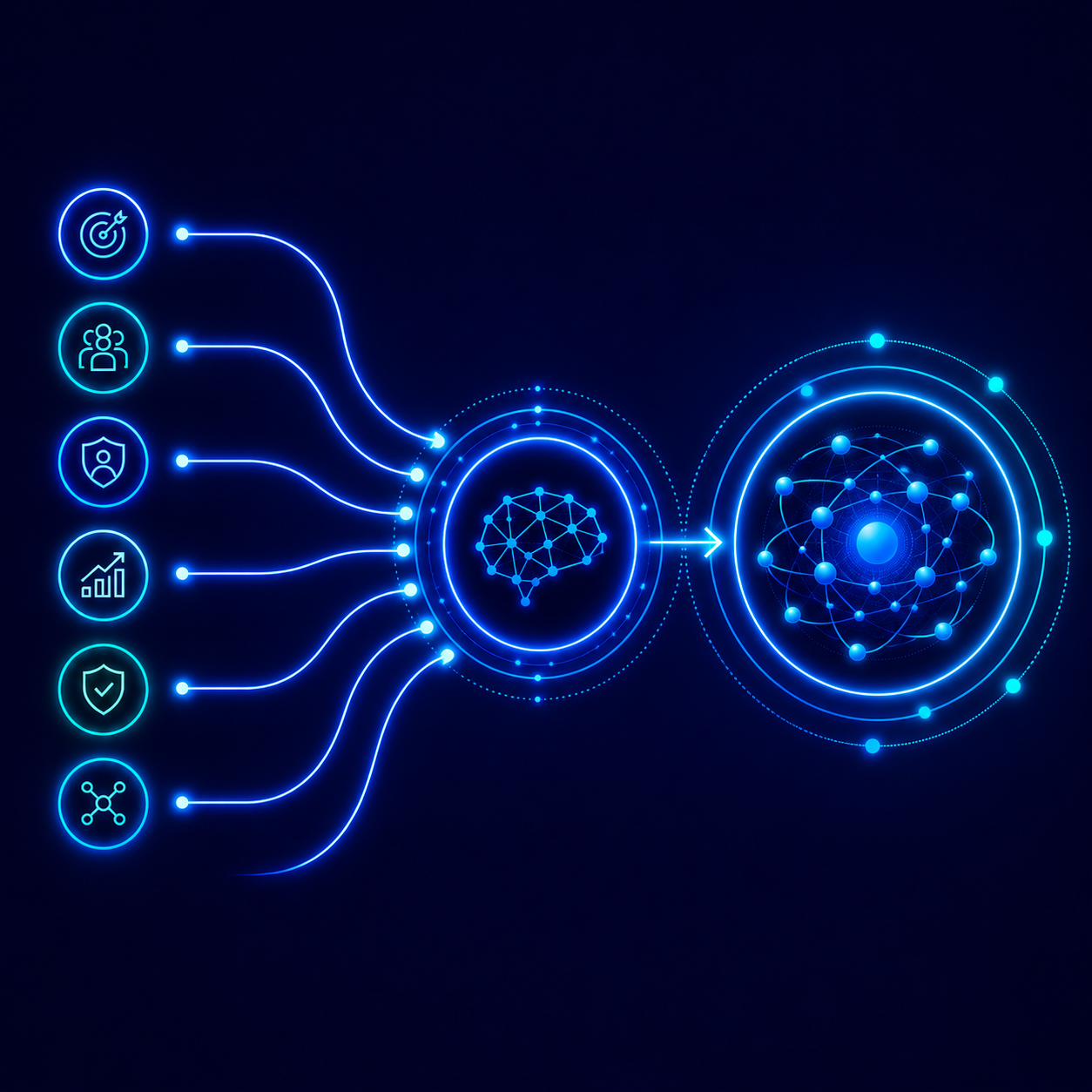
Start where Enterprise AI can deliver the greatest business value. Whether your priority is identifying AI opportunities, scaling expert decision-making, preserving critical enterprise expertise, transforming your business with confidence, building trusted Enterprise AI, or expanding Enterprise AI across your organization, every engagement builds toward the same long-term capability.
Every engagement contributes to the same living Enterprise AI model that embodies your organization's enterprise understanding. As the Enterprise AI model grows, so does your organization's Enterprise AI capability, enabling every new engagement to build on and compound the value of those that came before.
Every engagement contributes to the same living Enterprise AI model that embodies your organization's enterprise understanding. As the Enterprise AI model grows, so does your organization's Enterprise AI capability, enabling every new engagement to build on and compound the value of those that came before.
Explore How Enterprise AI Can Create Business Value
Explore
Every organization starts from a different place. Explore the business outcomes you can achieve with hpad's Model-First® approach and discover where Enterprise AI can create the greatest value for your business.
Different Entrypoints
-
![]()
Put AI to Work Where It Matters Most
Identify where Enterprise AI can deliver the greatest business value and build a foundation for future success.
-
![]()
Scale Your Expert Decision-Making
Capture and scale your organization's best expertise to improve decision-making across the enterprise.
-
![]()
Preserve Critical Enterprise Expertise
Preserve your organization's institutional expertise so it remains available for future generations of people and AI.
-
![]()
Transform Your Business Confidently
Evaluate business changes before implementation to reduce risk and increase confidence in transformation decisions.
-
![]()
Build Your Trusted Enterprise AI Capability
Create transparent, explainable, and trusted Enterprise AI capability that supports confident business decision-making.
-
![]()
Expand Your AI across the Enterprise
Build a continuously evolving Enterprise AI capability that compounds the value of every engagement and investment.



Every Engagement Builds on the Same Foundation
Foundation
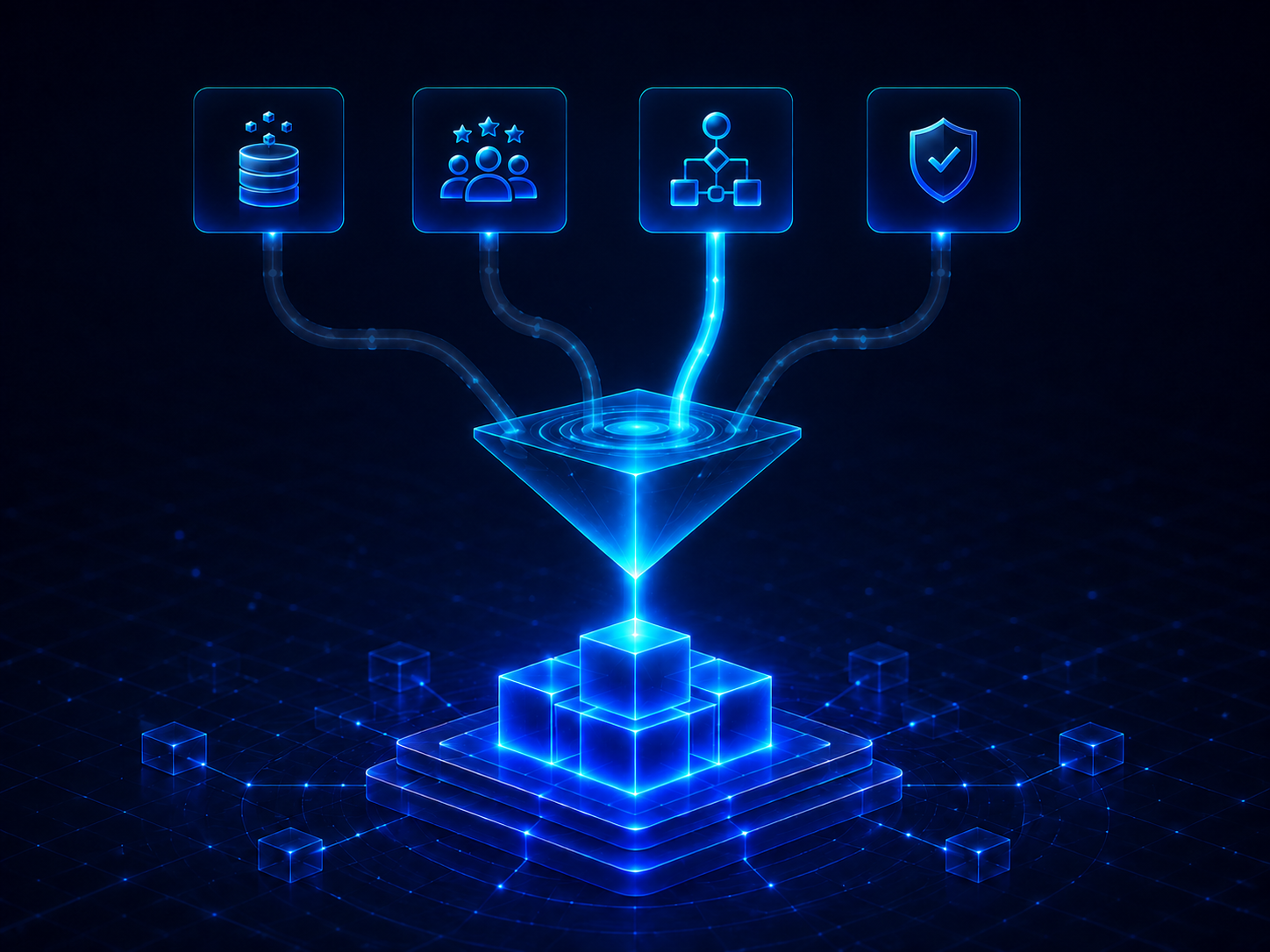
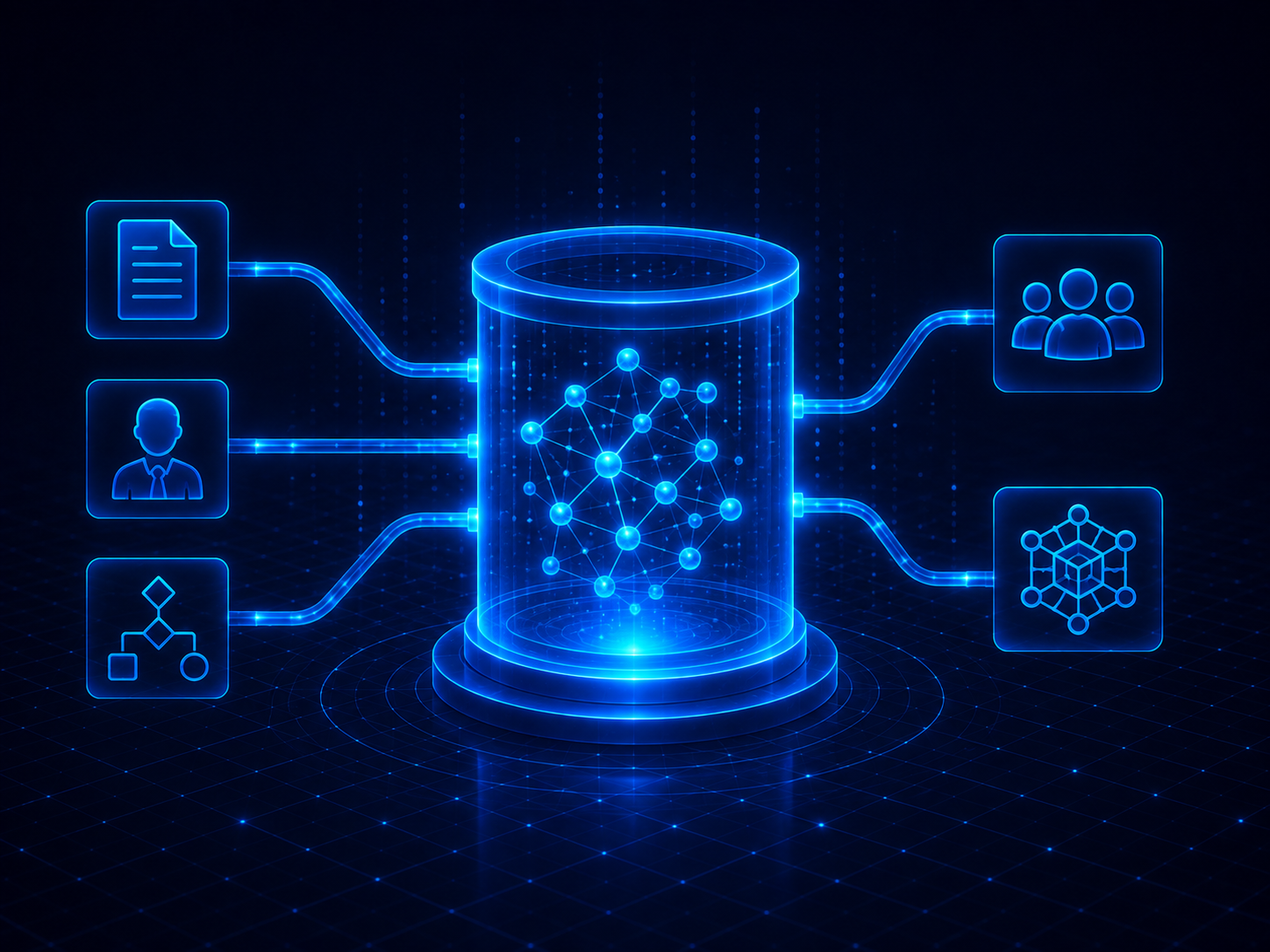
No matter where you begin, every engagement follows the same Model-First® approach. We work with your subject matter experts to capture, validate, and continuously refine the knowledge and reasoning that define how your enterprise works.
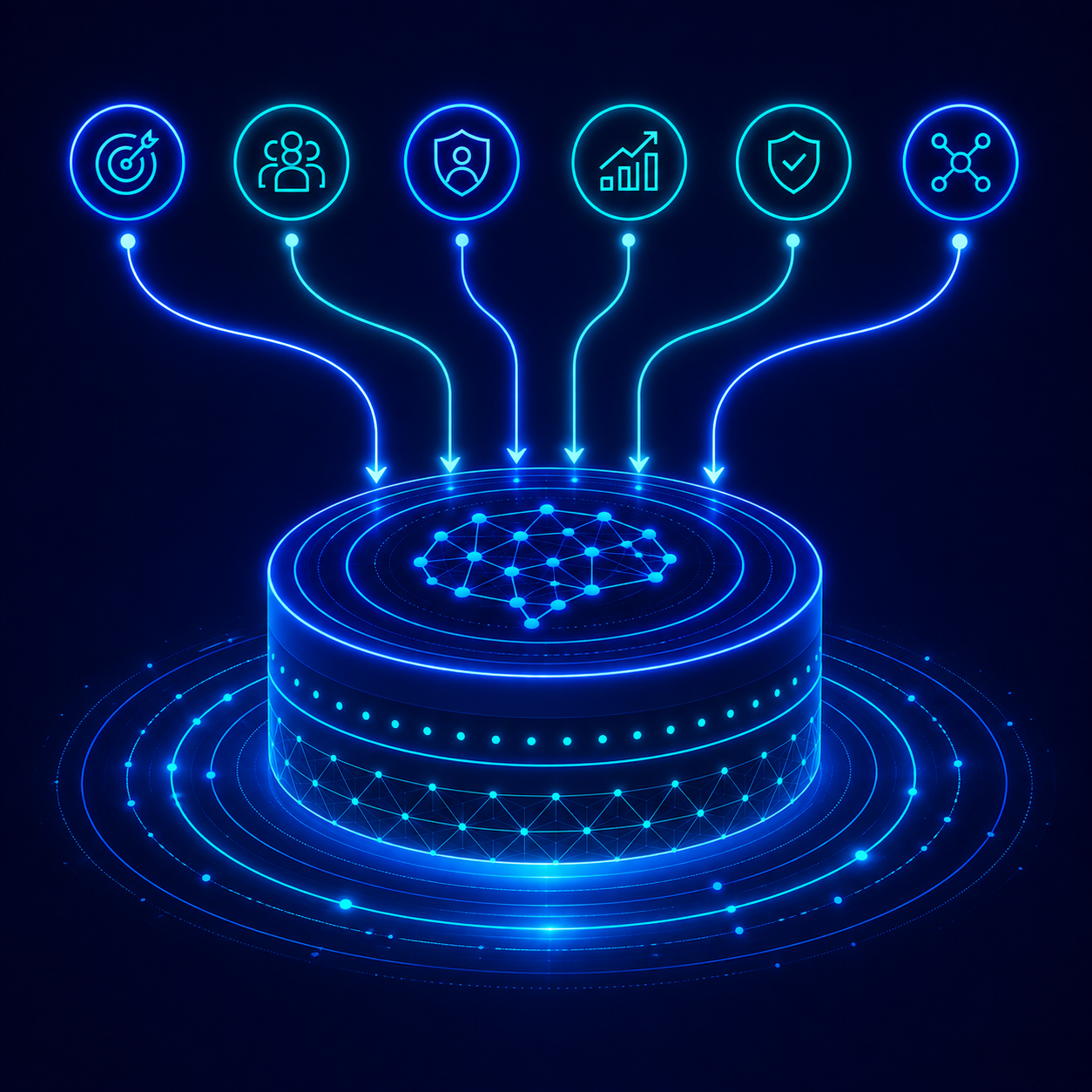
That knowledge becomes part of a living Enterprise AI model that embodies your organization's enterprise understanding. This Enterprise AI foundation enables people and AI companions to make better decisions, preserve critical expertise, and confidently support future Enterprise AI initiatives.
Unlike traditional consulting engagements that produce standalone deliverables, every hpad engagement expands the same Enterprise AI model.
That's why every new engagement builds on—and compounds the value of—those that came before. Whether your first engagement focuses on a single business challenge or a broader transformation initiative, you're building a strategic Enterprise AI asset that grows in value and compounds the return on every future engagement.
Unlike traditional consulting engagements that produce standalone deliverables, every hpad engagement expands the same Enterprise AI model.
That's why every new engagement builds on—and compounds the value of—those that came before. Whether your first engagement focuses on a single business challenge or a broader transformation initiative, you're building a strategic Enterprise AI asset that grows in value and compounds the return on every future engagement.
Every Engagement Contributes to the Same Enterprise AI Model
Growth
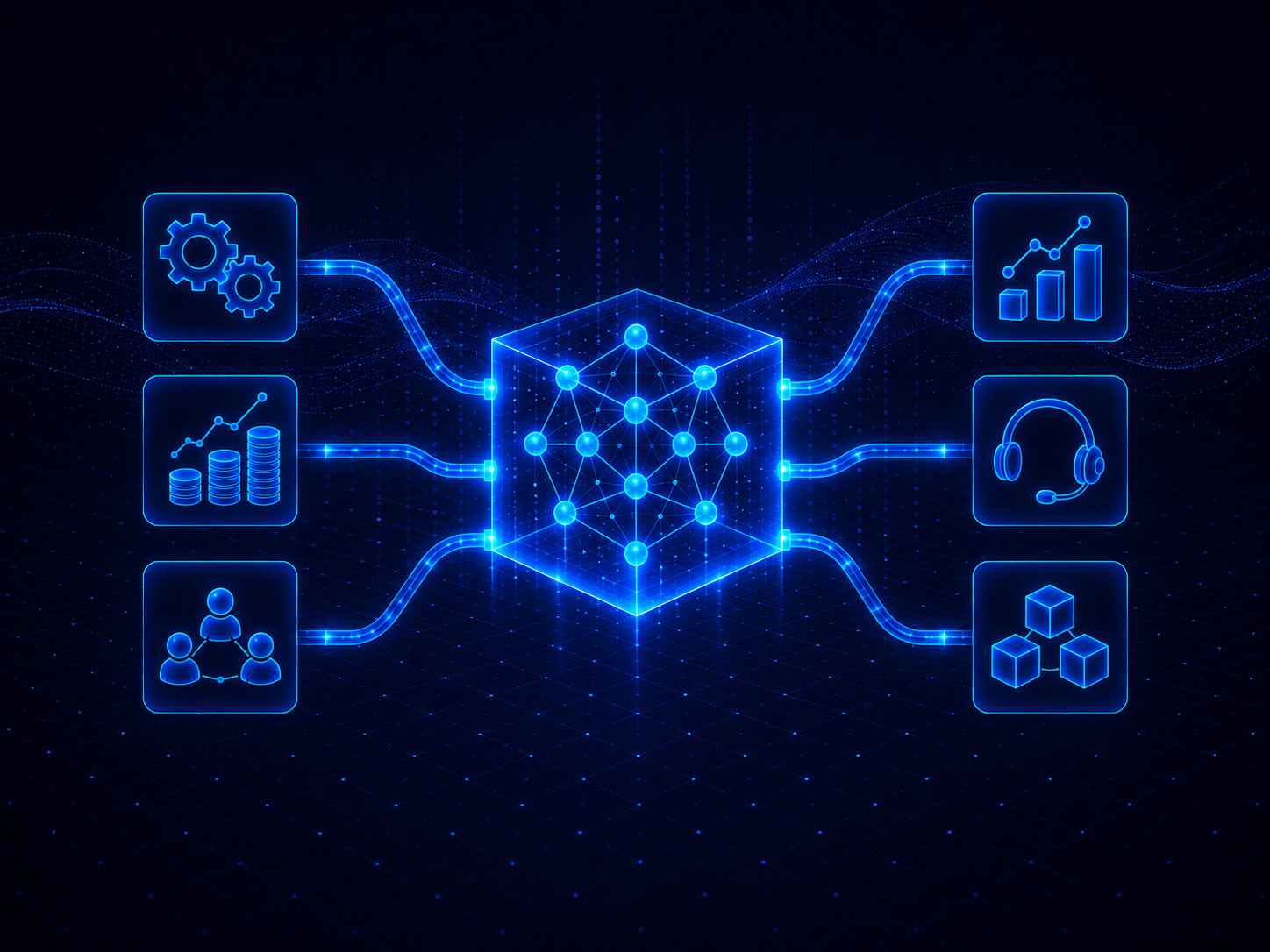
Unlike traditional consulting engagements that deliver isolated solutions, every hpad engagement contributes to the same continuously evolving Enterprise AI model.
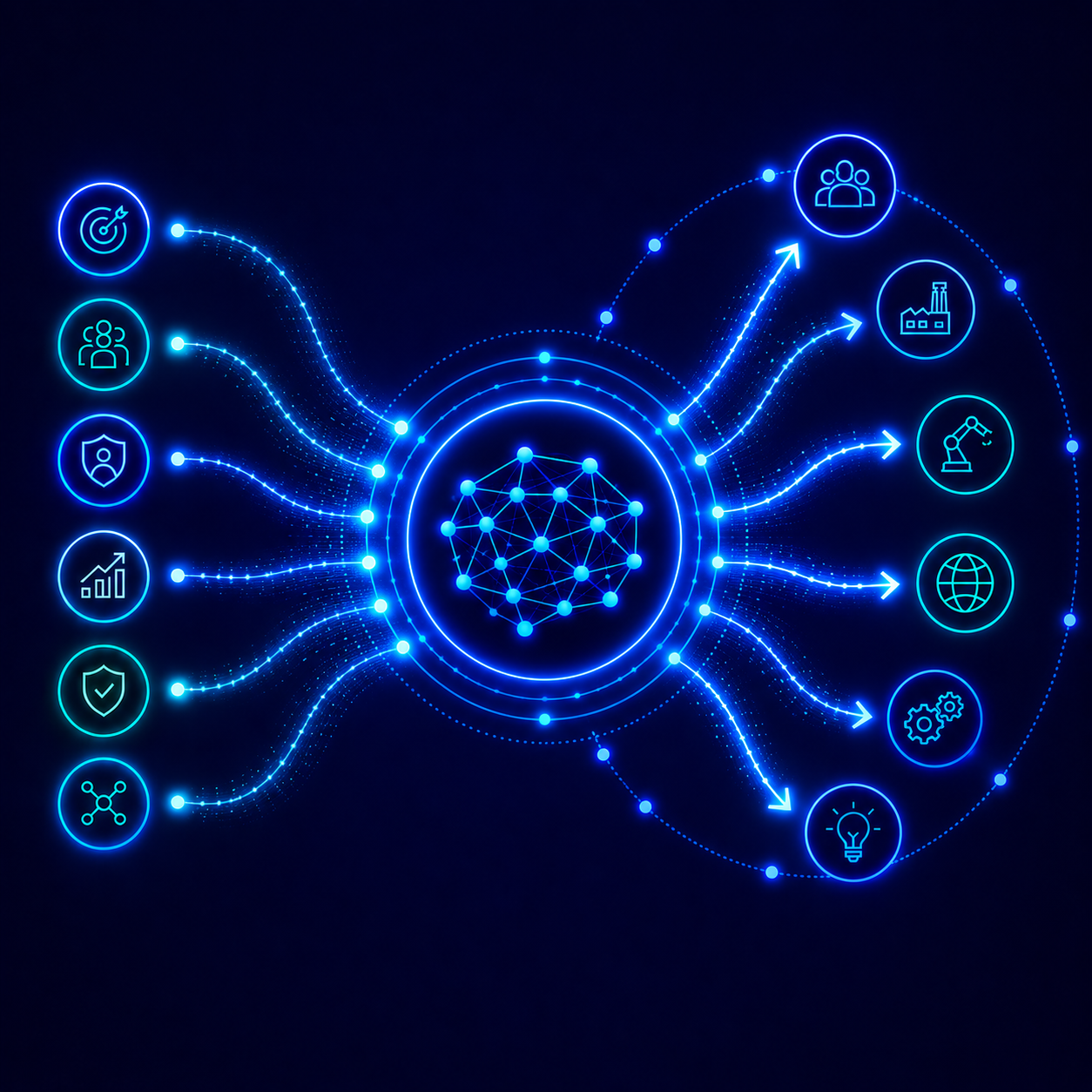
Each engagement expands your Enterprise AI model with new enterprise understanding, strengthens decision-making, and creates new opportunities to apply Enterprise AI across additional business functions and initiatives.
Over time, your Enterprise AI model becomes an enduring strategic asset that enables a continuously evolving Enterprise AI capability. As that capability grows, your organization adapts faster, makes better decisions, and compounds the value of every Enterprise AI investment.
Over time, your Enterprise AI model becomes an enduring strategic asset that enables a continuously evolving Enterprise AI capability. As that capability grows, your organization adapts faster, makes better decisions, and compounds the value of every Enterprise AI investment.
Start Building Your Enterprise AI Capability
Every organization starts from a different place. hpad helps you identify where Enterprise AI can create the greatest business value. Every engagement contributes to the same continuously evolving Enterprise AI model, building an enduring Enterprise AI capability that grows in value over time.
You don't need to define your entire Enterprise AI strategy at once. Simply start where Enterprise AI can deliver the greatest business value and build from there.
Ready to explore where Enterprise AI can create the greatest value for your business? Contact us to schedule an introductory discussion